Endpoint Protection
Every device already had endpoint protection installed, limiting what the attacker could accomplish.
How a phishing attack on a Las Vegas medical practice was contained before a single patient record was compromised.
Category
HIPAA & Cybersecurity
Reading Time
6 min
Location
Las Vegas, Nevada
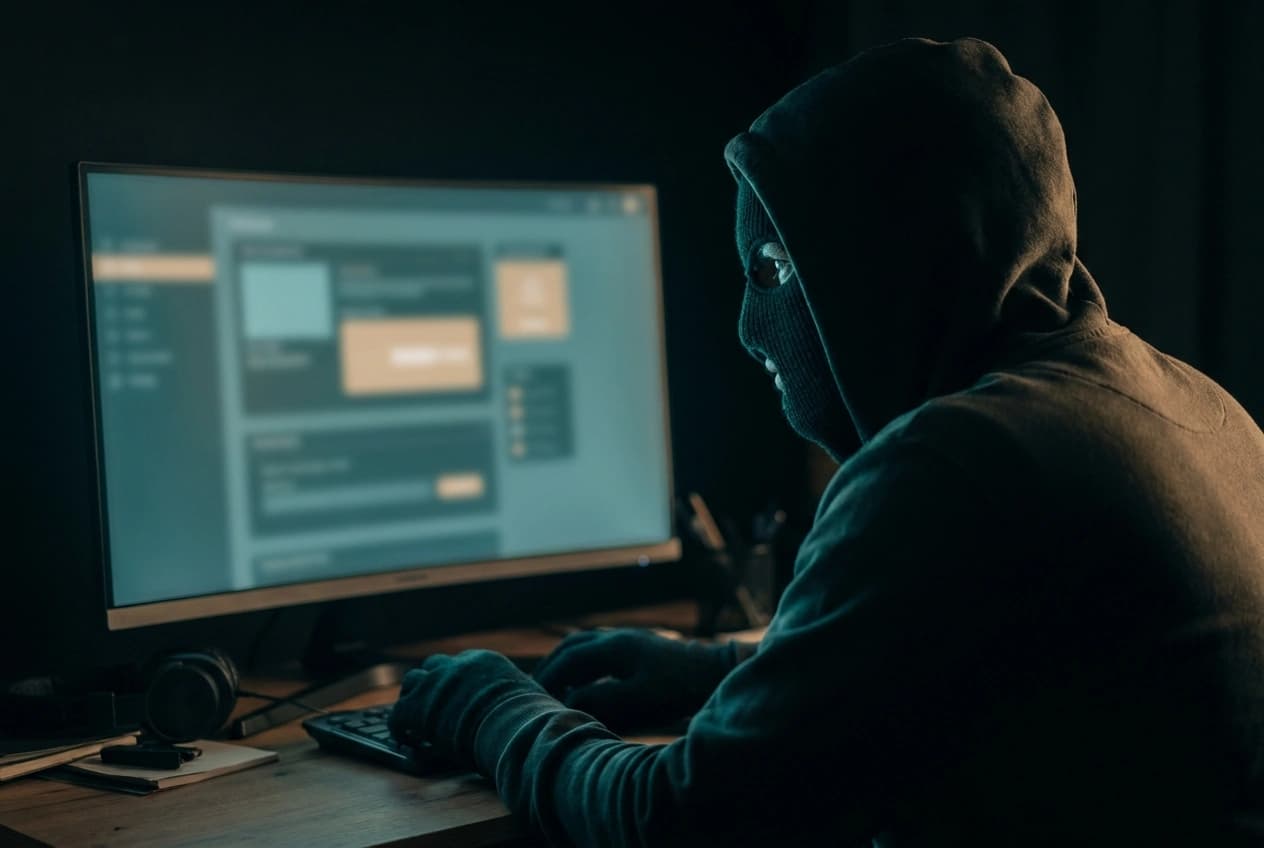
Every case study follows a predictable pattern. A challenge appeared, the underlying cause was uncovered, a solution was implemented, and measurable operational improvements followed.
A medical practice received what appeared to be a routine invoice from one of its long standing medical supply vendors. The branding, sender name and language all appeared legitimate.
After clicking the payment link, spyware immediately installed itself and an attacker gained remote control of the computer. Without preparation, the incident could have become a reportable HIPAA breach.
Lama Healthcare immediately contained the threat, isolated the affected workstation, performed a forensic investigation and relied on previously implemented security infrastructure to prevent patient data exposure.
No patient information was accessed, no OCR report was required, no patients were notified and the practice avoided what could have become a costly breach.
They look exactly like the vendors healthcare practices already trust.
The phishing email perfectly mimicked an existing medical supply vendor, making it almost impossible to identify as malicious.
Within seconds spyware was installed and remote access was established on the workstation.
Without an existing incident response plan, endpoint protection and documented security procedures, patient data could have been exposed before anyone understood what had happened.

Every major outcome is the result of a sequence of operational decisions. Understanding where things changed is the first step toward preventing it from happening again.
The practice received what appeared to be a routine invoice from a trusted vendor.
The QuickBooks payment link installed spyware within seconds.
The owner noticed the mouse moving on its own and immediately contacted Lama Healthcare.
The affected workstation was physically disconnected from power and the network before data could leave the environment.
A forensic review confirmed the malware, documented every action taken and verified patient records remained protected.
The incident remained contained without becoming a reportable HIPAA breach.
The successful outcome was determined weeks before the phishing email arrived.
Every device already had endpoint protection installed, limiting what the attacker could accomplish.
The practice had direct access to experienced support and responded within seconds instead of hours.
Incident response workflows already existed, eliminating guesswork during the emergency.
A documented network map made it immediately clear which systems were affected and which remained protected.
Key Insight
Every case study reveals the same pattern. The issue practices notice first is usually just a symptom. The real solution comes from identifying and correcting the operational gap underneath it.
Preparation made every decision faster, clearer and more effective.
The affected workstation was disconnected from power and the network immediately, preventing any opportunity for data to leave the environment.
The device was analyzed offline, the spyware was identified, its behavior traced and the system completely remediated before returning to service.
Every action was documented, including discovery time, response timeline, remediation steps and breach determination, creating a complete HIPAA compliant incident record.
Endpoint protection logs, network visibility and existing security controls confirmed that no protected health information had been accessed or transmitted.
Our Approach
Instead of treating isolated symptoms, we examine the entire operational workflow, identify the underlying failure point, implement sustainable corrections, and introduce verification steps that prevent the issue from recurring.
Framework
Preparation eliminated panic and prevented regulatory consequences.
Every successful outcome in this case study came from fixing the underlying operational process rather than treating individual symptoms. Once the workflow became reliable, compliance, billing, documentation, and staff confidence naturally improved.
Outcome Summary
Every case study reveals more than a single operational issue. It highlights principles that every independent practice can use to reduce risk, improve efficiency, and build stronger systems.
Key Takeaway
Sustainable improvement comes from building reliable systems, not reacting to isolated problems. The strongest practices are proactive long before issues become visible.
Endpoint protection should exist on every device, not only primary workstations.
Every healthcare practice needs a documented incident response plan before an incident occurs.
Network visibility is essential for both HIPAA compliance and incident response.
Security documentation is just as important as technical remediation.
Staff should know exactly who to call during the first sixty seconds of an incident.
Infrastructure, not luck, determines whether a cyberattack becomes a reportable breach.
The protection wasn't vigilance. It was infrastructure that already existed before the email arrived.
Protect your practice with proactive HIPAA compliance, cybersecurity safeguards, incident response planning and continuous operational support.
Explore ServiceOur HIPAA compliance assessments identify operational, technical and documentation gaps before they become reportable incidents.
What Happens Next
No obligation. No generic sales pitch. You'll leave the conversation with a clear understanding of where your operational risks are and what to do next.
Explore more real-world examples of how operational challenges become opportunities for stronger systems, better compliance, and healthier medical practices.